

Over two days in Lisbon, the project’s final transnational meeting brought together partners to reflect on three years of collaboration, assess the impact achieved in schools, and explore how the project’s results can continue to shape the future of education across Europe.
More than a closing event, the meeting served as an opportunity to transform lessons learned into a shared vision for the next steps in the adoption of virtual reality for teaching and learning.
Highlights included the successful implementation of the VR4Empathy pilot, which engaged 24 schools, 126 teachers, and over 2,700 students. The results exceeded initial expectations and provided valuable evidence of how immersive learning approaches can support student engagement, inclusion and innovative classroom practice across diverse educational settings.
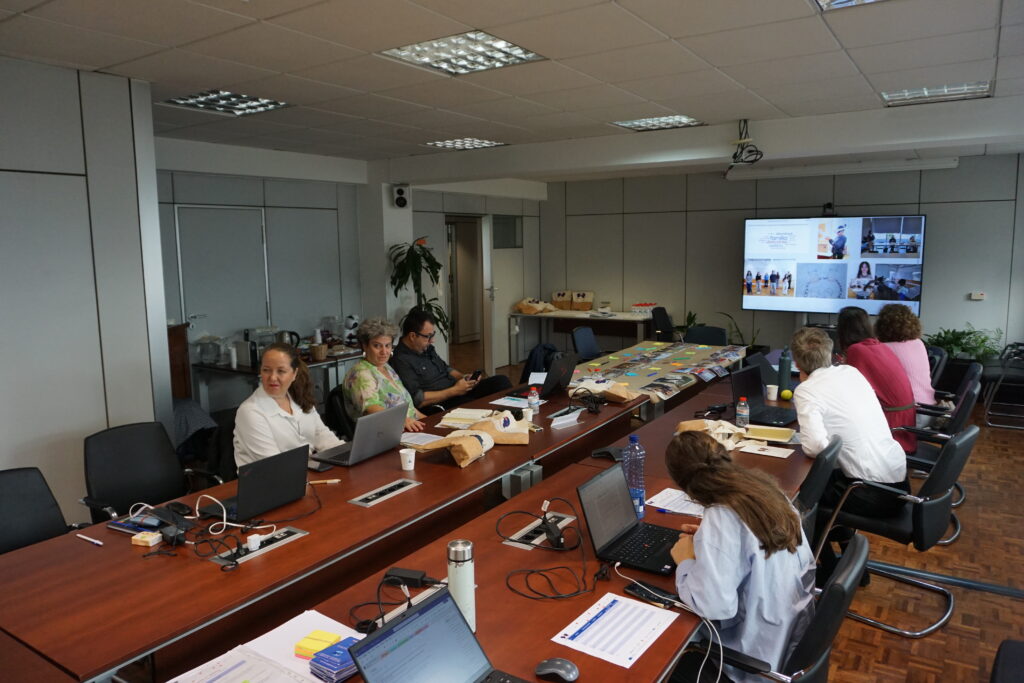
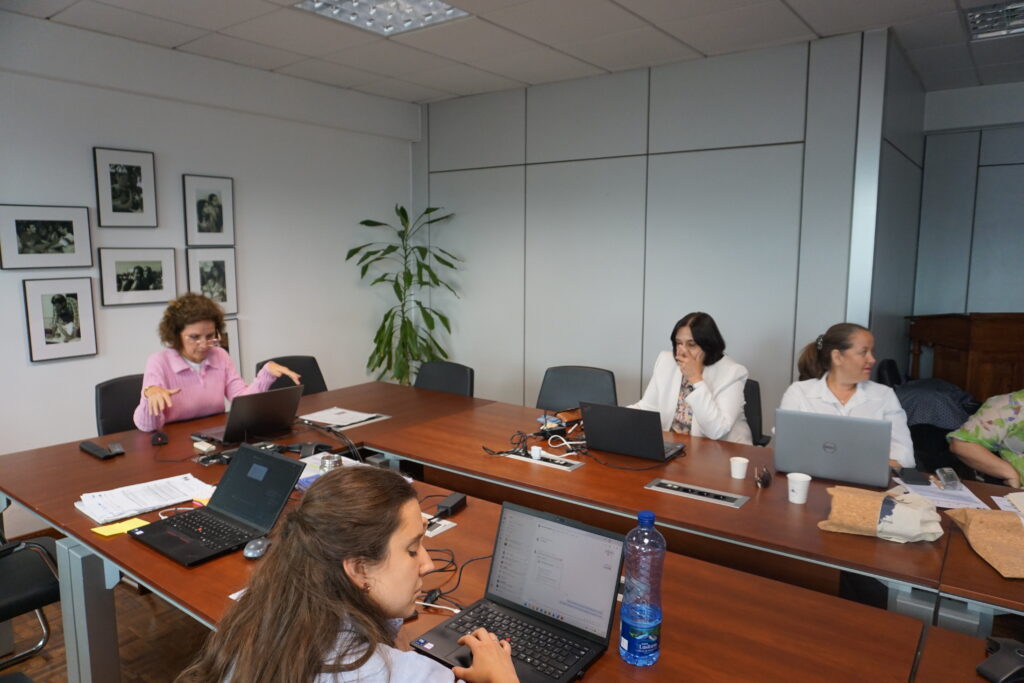
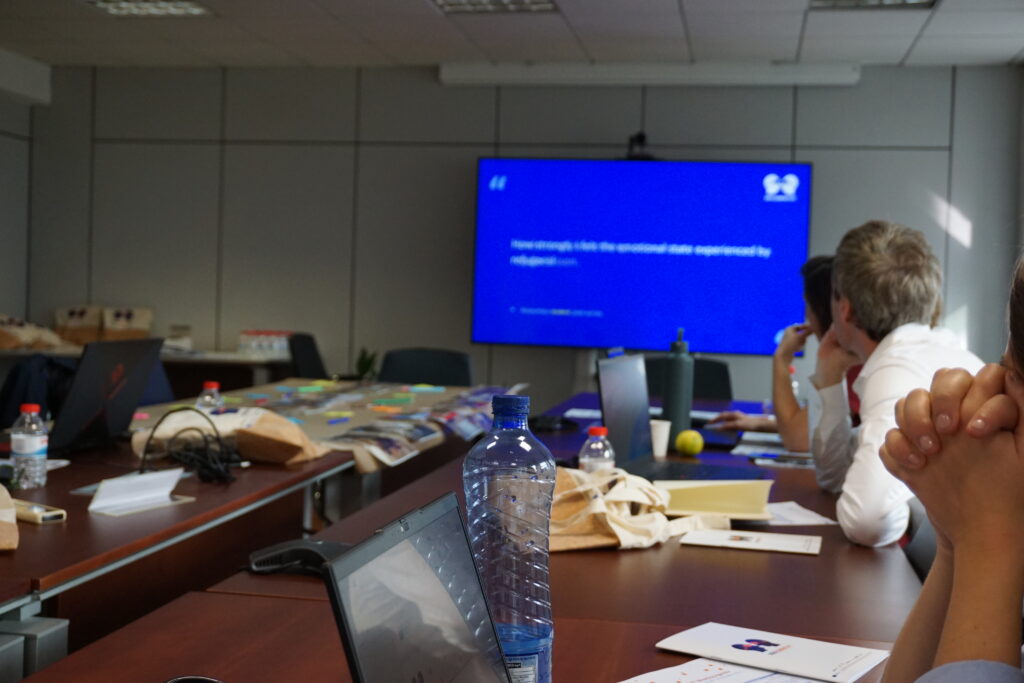
Partners also examined the feedback collected from teachers and students throughout the pilot phase. Surveys, round tables and evaluation activities revealed strong acceptance of the methodology and confirmed the educational value of virtual reality as a tool capable of enriching learning experiences and supporting different curricular subjects.
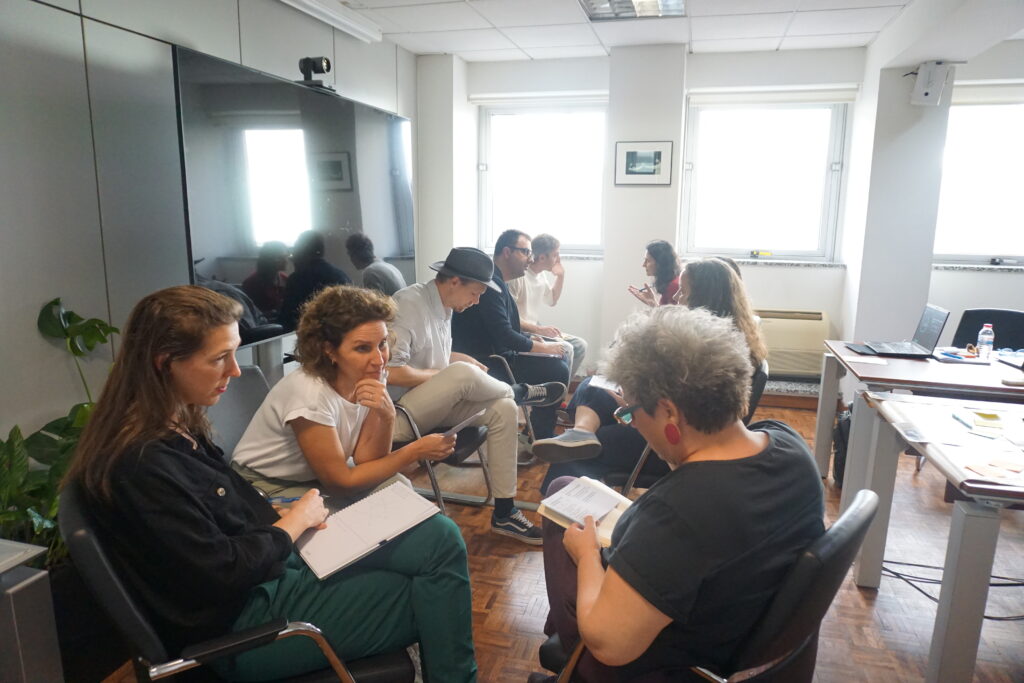
Looking beyond the project’s lifetime, partners participated in two VR4Empathy Legacy Workshops, dedicated to building national pathways for future use and collaboration. Through these sessions, participants explored how the project’s resources, methodologies and recommendations could continue to be promoted and adapted within their respective national contexts, while identifying opportunities for new partnerships and initiatives that could build on the project’s achievements.
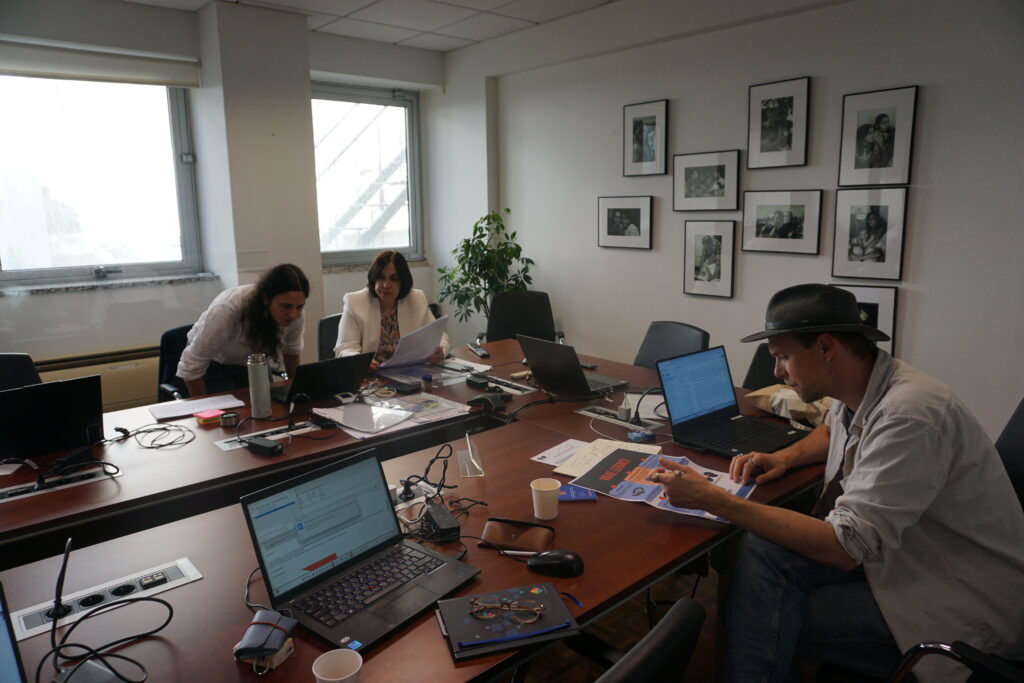
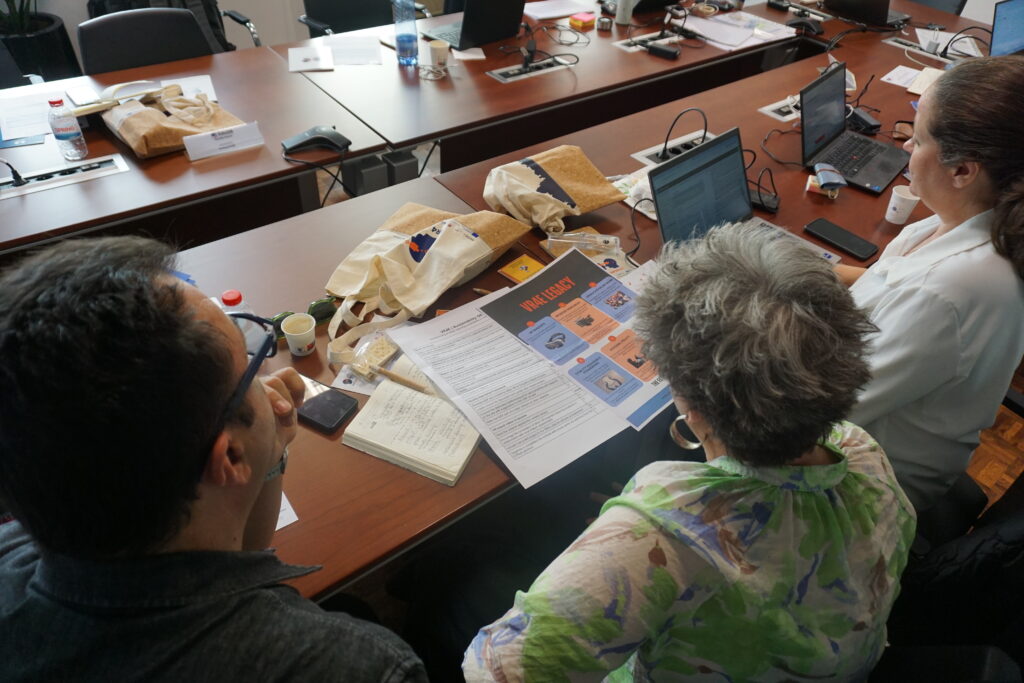
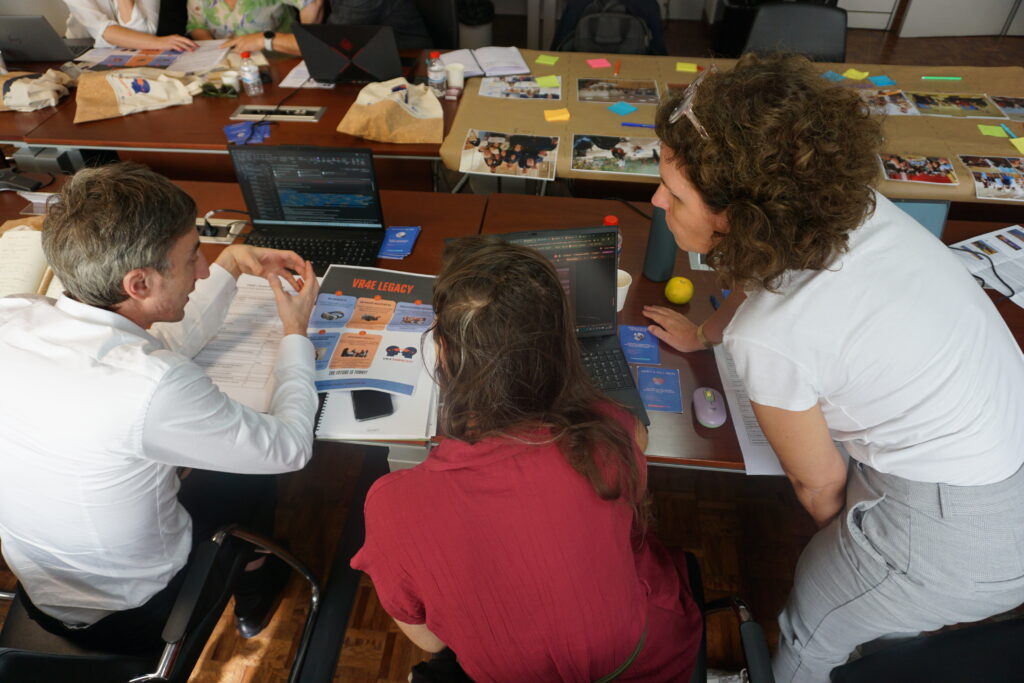
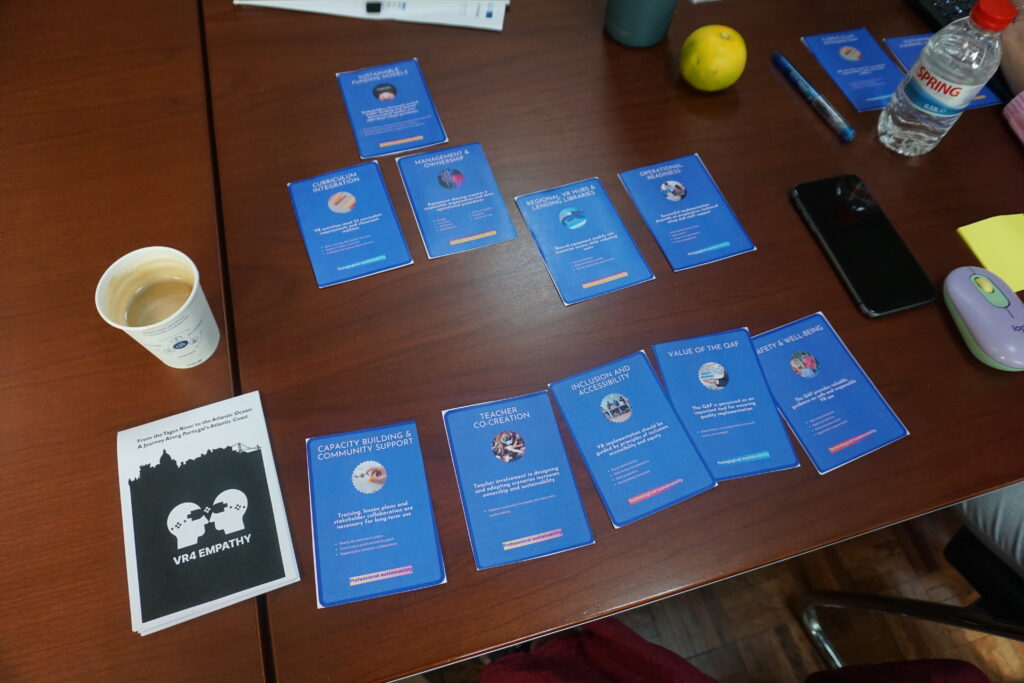
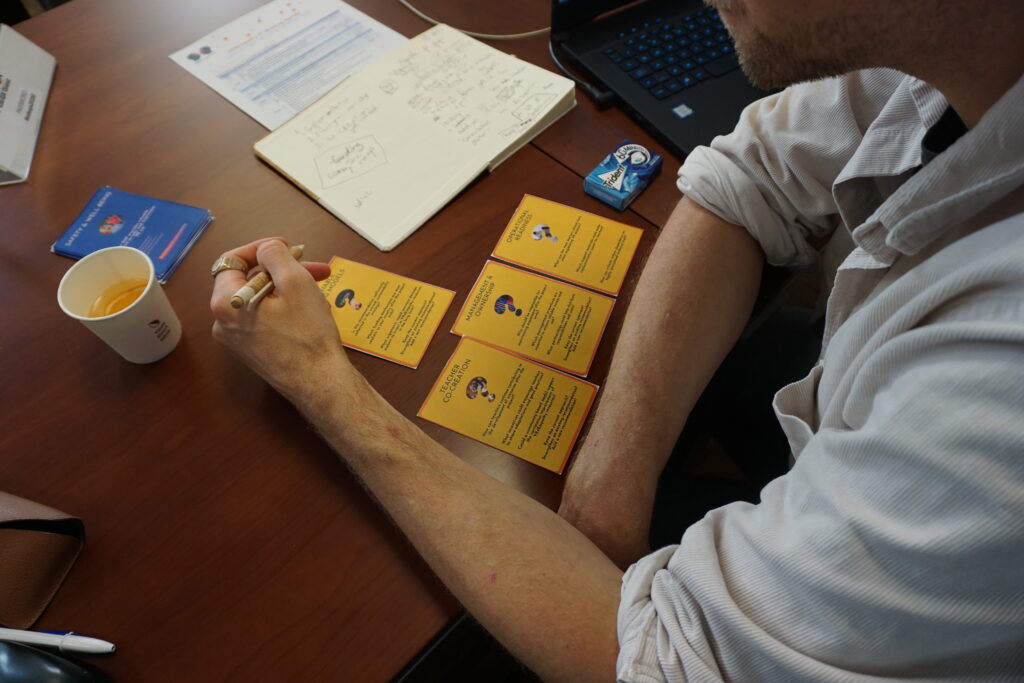
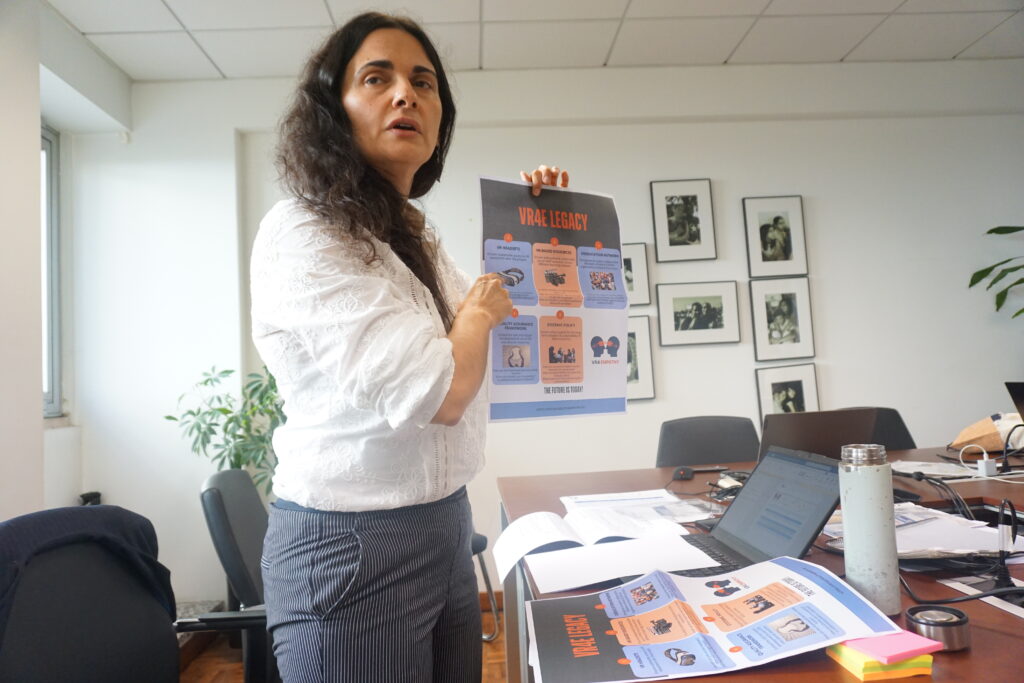
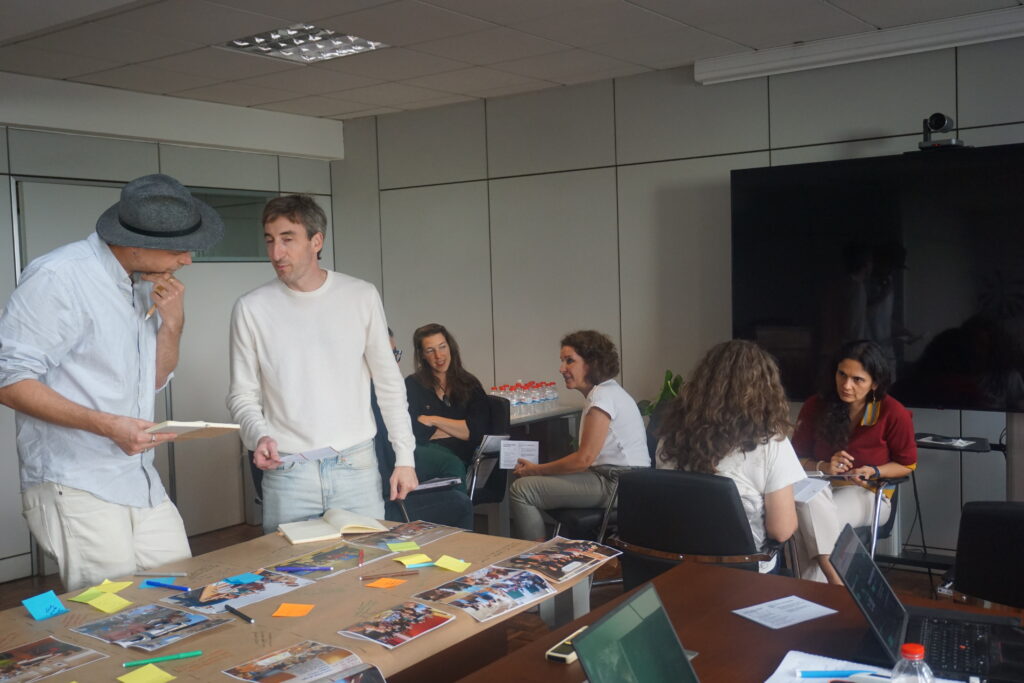
The meeting also featured the VR4Empathy Journey Workshop, which encouraged partners to reflect on the project’s evolution, share experiences from implementation, and identify lessons learned and future opportunities. As part of this activity, participants collectively created a storytelling wall, capturing key milestones, achievements and memorable moments from the VR4Empathy journey. The exercise not only celebrated the project’s accomplishments but also highlighted the strong network and shared vision that emerged through years of collaboration.
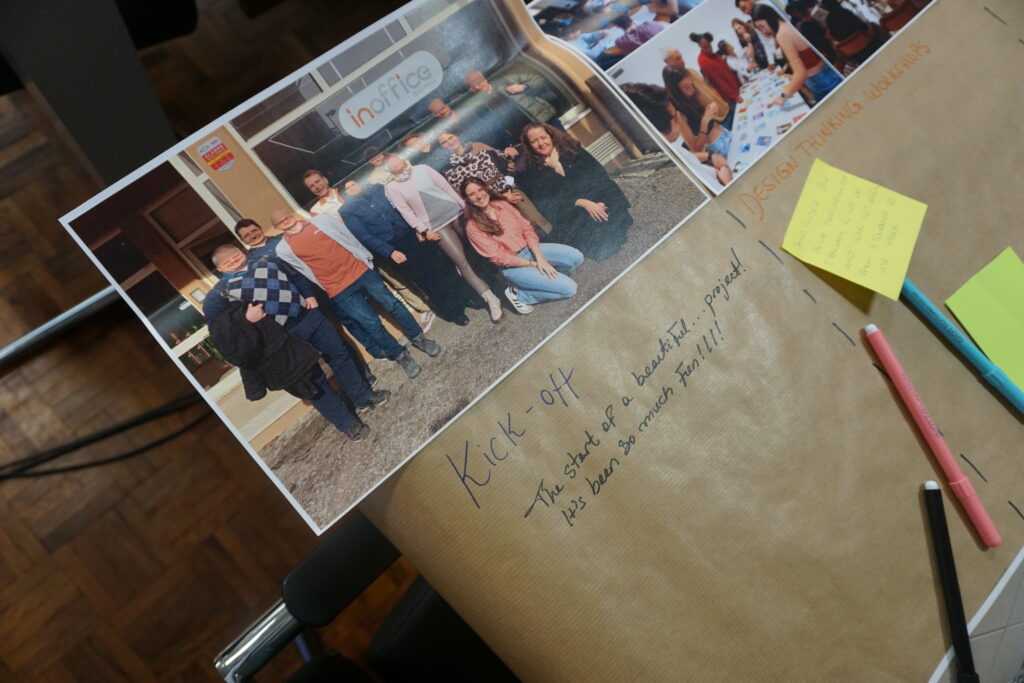
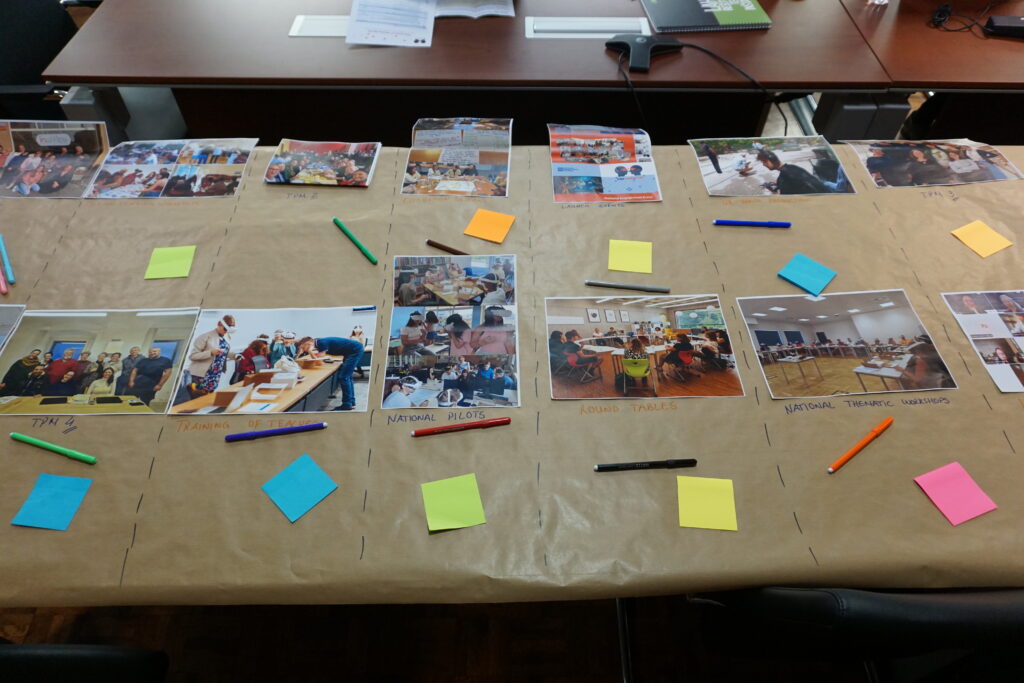
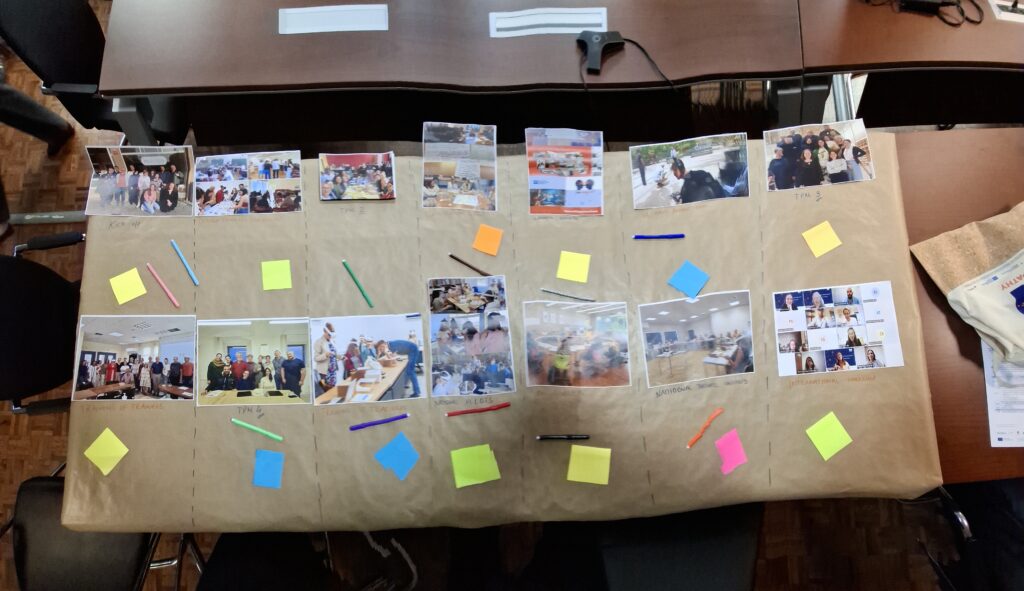
Alongside this storytelling wall, partners shared testimonies on the project’s achievements, challenges and lessons learned, reflecting on the impact of VR4Empathy both within their organisations and among the teachers and students involved. These contributions helped document the project’s journey while highlighting the value of European cooperation in testing and promoting innovative educational approaches.
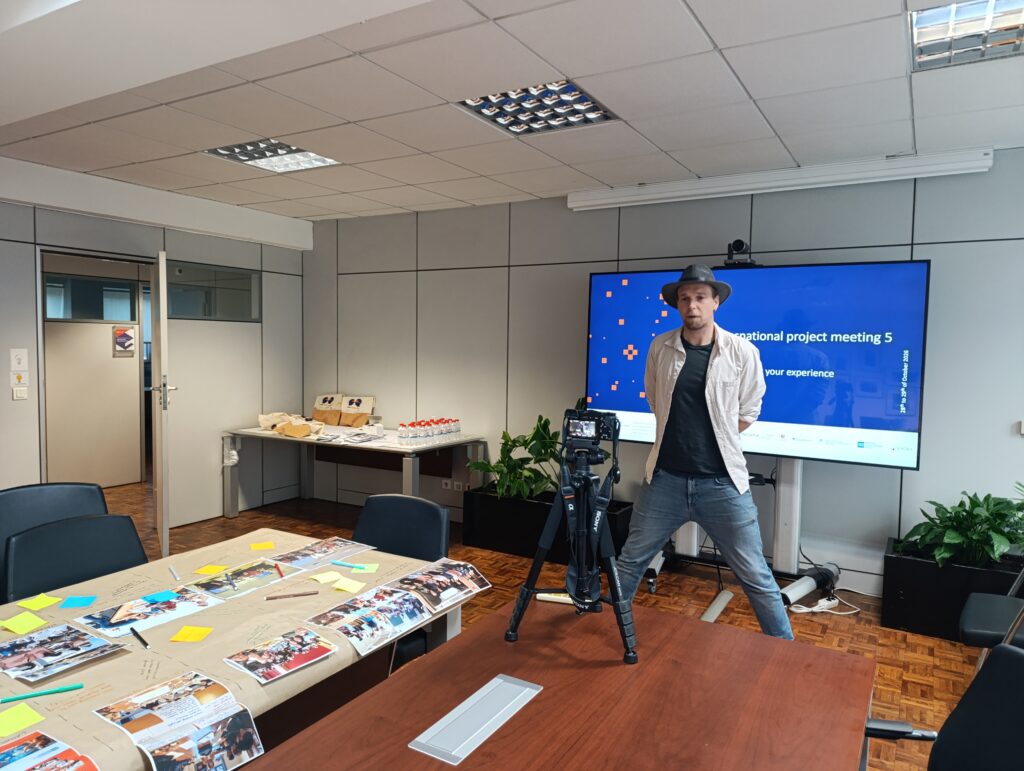

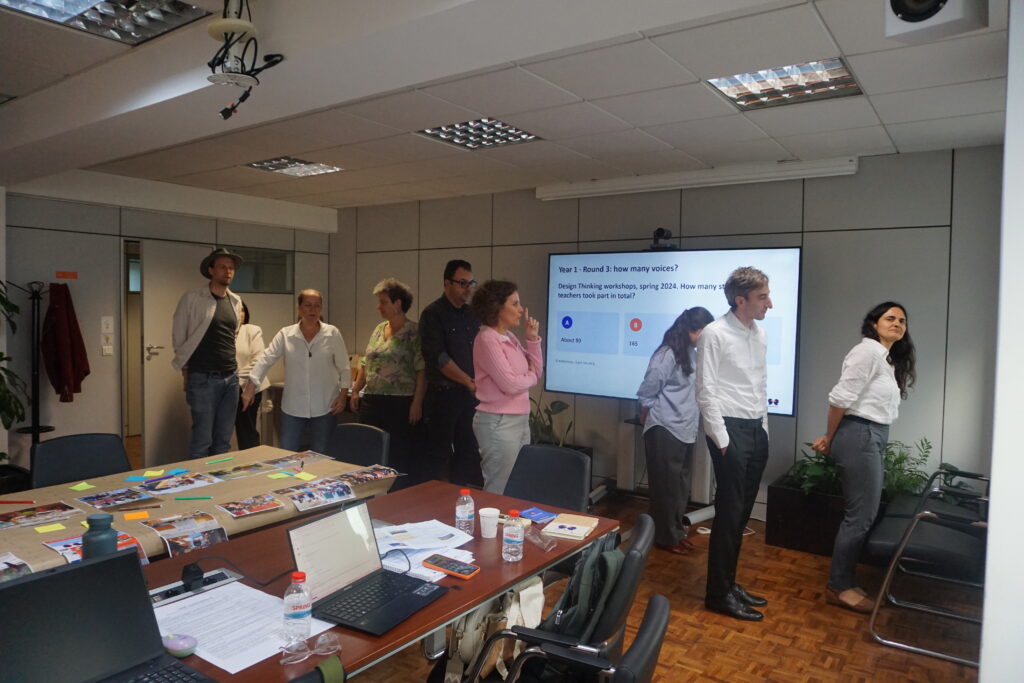
The meeting concluded with a networking session dedicated to discussing future opportunities for collaboration and the continuation of the project’s impact. Building on the relationships, knowledge and shared experiences developed through VR4Empathy, partners explored new avenues for cooperation and identified opportunities to further promote immersive learning across Europe. While VR4Empathy formally approaches its end, the conversations held in Lisbon made clear that its legacy extends well beyond the project itself. Through its educational resources, evidence-based recommendations, growing professional network and shared commitment to innovation, VR4Empathy has laid strong foundations for the continued use of immersive technologies to foster more engaging, inclusive and empathetic learning experiences across Europe.
Discover our journey and resources on Linkedin and Facebook pages!


