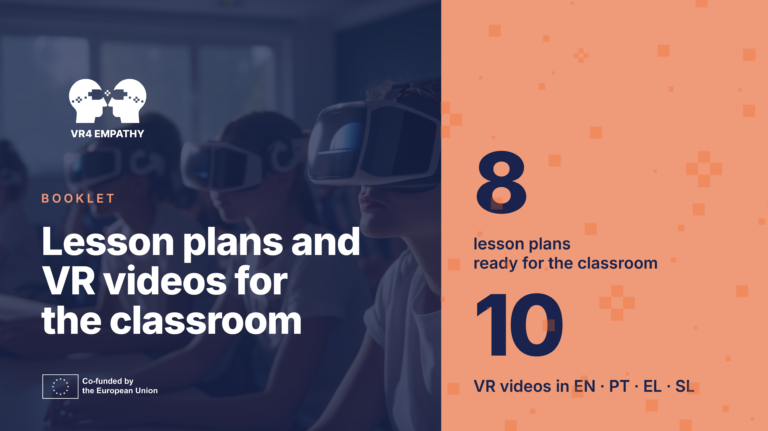
What happens when immersive technology meets meaningful education? 🚀
According to teachers and students across Portugal, the result is a more engaging, inclusive and impactful learning experience.
Over six weeks, six Portuguese schools became living laboratories for the future of education as they took part in the VR4Empathy National Round Tables. Bringing together 26 teachers and 39 students, the sessions offered a unique opportunity to reflect on how virtual reality is reshaping classroom learning—not just through innovation, but by helping young people develop empathy, critical thinking and social awareness. 💡❤️
🔑 Key takeaways
- 📍 6 National Round Tables held across Portugal between May and June 2026.
- 👥 65 participants engaged in the discussions, including 26 teachers and 39 students from six schools.
- 🥽 Higher student engagement thanks to immersive VR experiences that encouraged participation and reflection.
- 🌍 Inclusive learning in action, with successful implementation involving students with special educational needs.
- ✅ Strong support for the Quality Assurance Framework (QAF) as a guide for safe, ethical and effective VR-based education.
- 📚 Clear recommendations for more flexible lesson planning, practical classroom examples and continued teacher training.
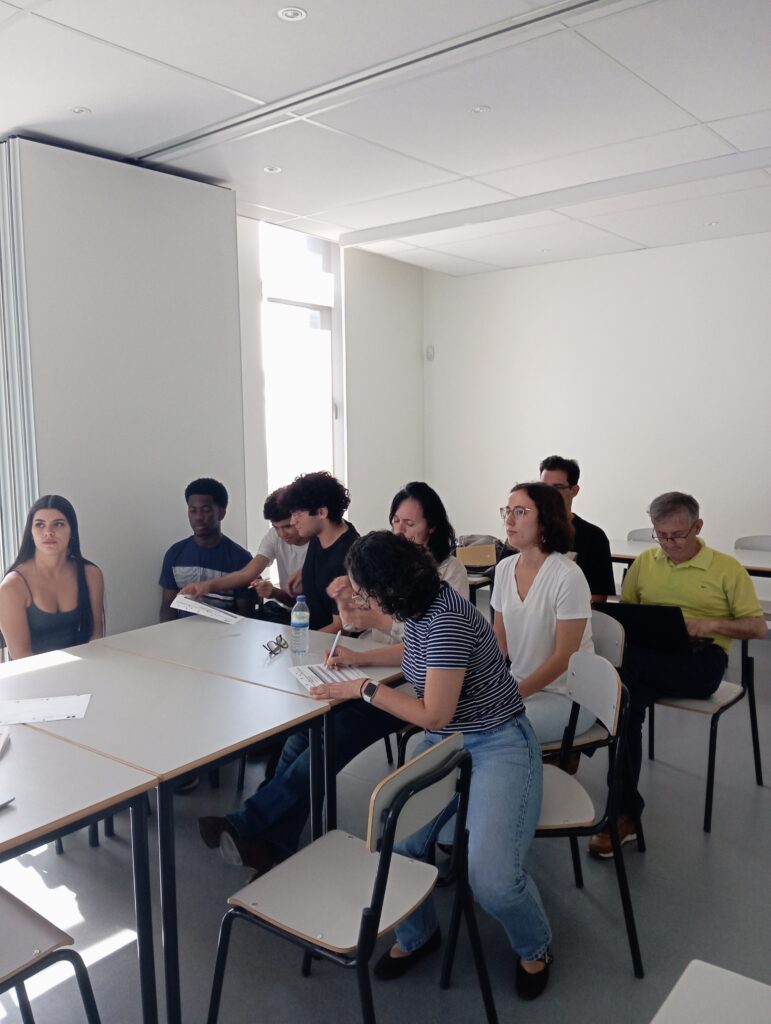
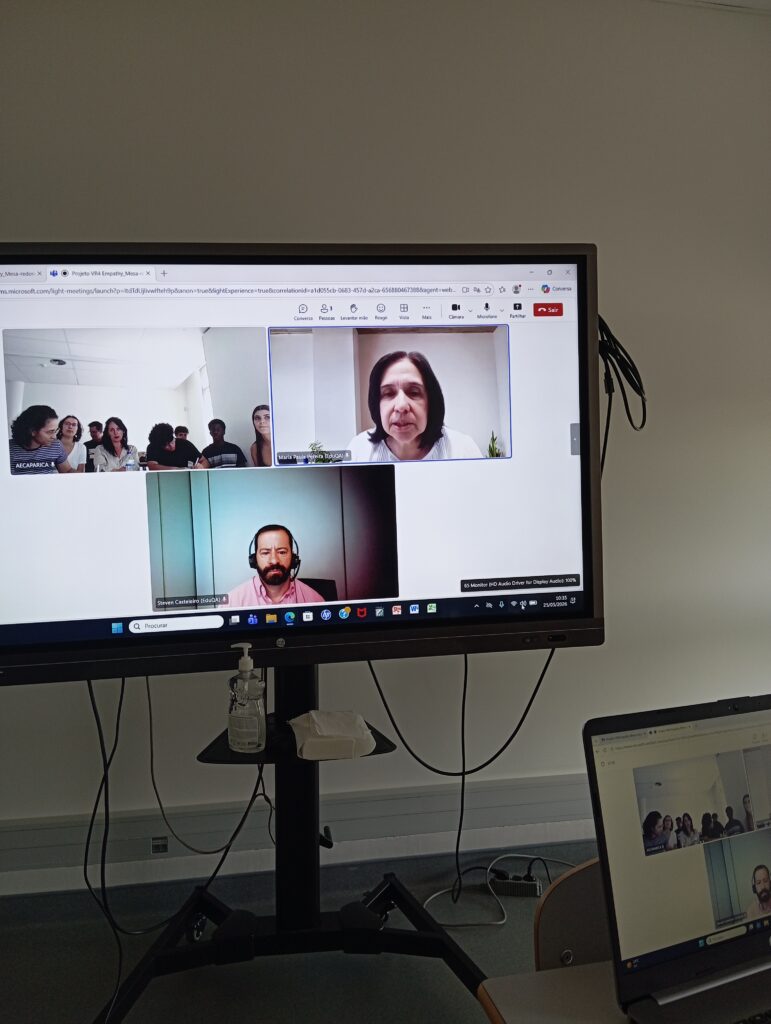
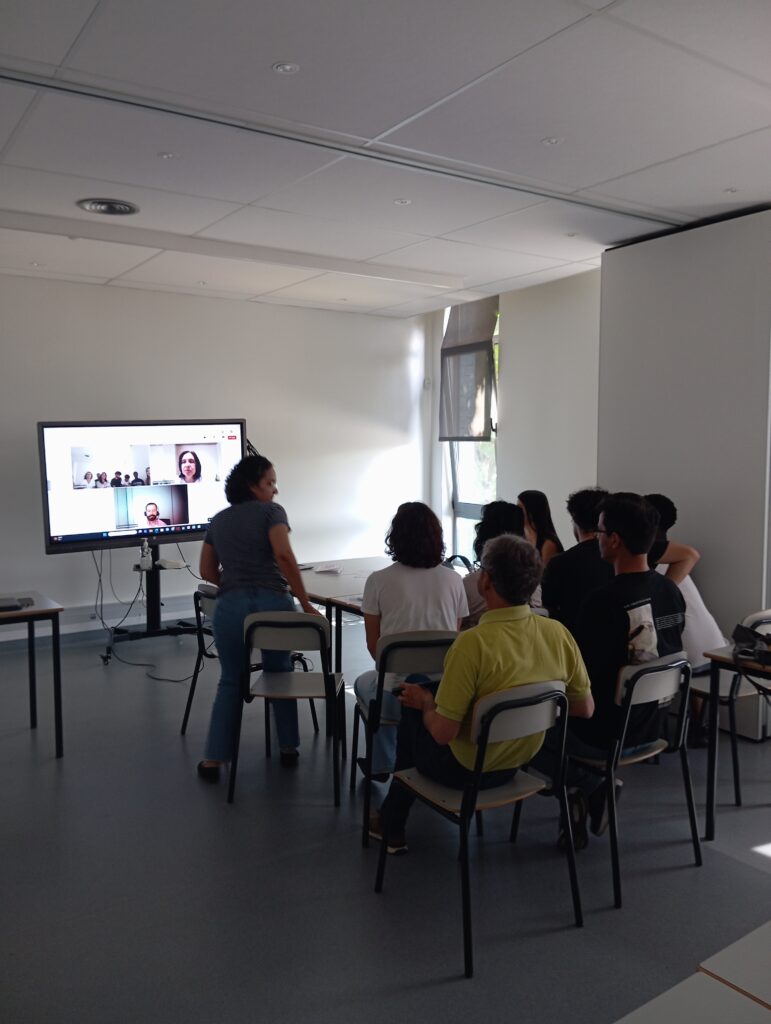
The message from participants was clear: VR is far more than a technological novelty. ✨ When combined with thoughtful teaching and guided reflection, immersive experiences have the power to spark meaningful conversations, deepen understanding and motivate students in ways that traditional classroom approaches often cannot.
Students described the VR activities as engaging, memorable and eye-opening, while teachers praised the project’s ability to encourage participation and bring complex social and environmental issues to life. 🌱 During the discussions, participants agreed that technology offers the opportunity to see the world from different perspectives, which is an essential step in developing empathy and building knowledge.🤝
The round tables also highlighted the importance of ensuring that innovation is accessible to everyone. ♿ Inspiring examples from participating schools demonstrated how students with special educational needs successfully engaged with the VR activities through tailored support and adapted learning materials, reinforcing VR4Empathy’s commitment to inclusive education. 💙
Alongside celebrating the project’s achievements, teachers shared practical recommendations for the future. 📝 They called for greater flexibility in lesson planning, additional classroom-based examples within the Quality Assurance Framework (QAF), and more opportunities for teachers to exchange good practice and build confidence in using immersive technologies.
Perhaps the strongest outcome of the discussions was a shared ambition to continue exploring virtual reality beyond the project itself. 🌍 Participants recognised that the principles developed through VR4Empathy – particularly its focus on quality, inclusion and responsible innovation – can help shape the future of immersive learning across Europe.
As the project moves towards its final phase, the insights gathered from Portuguese schools will help refine the VR4Empathy resources and strengthen its legacy. 🎯
Because the future of education isn’t just about using new technology – it’s about helping learners understand the world, and each other, in entirely new ways. 💙🥽
Follow VR4Empathy on LinkedIn and Facebook for the latest updates!